High Chair 101: The lowdown on high chairs in 2026
Wood vs plastic, tray styles, adjustability and easy cleanup - a plain-English guide to picking the high chair that fits how your family actually eats.
Start with how long you want it to last
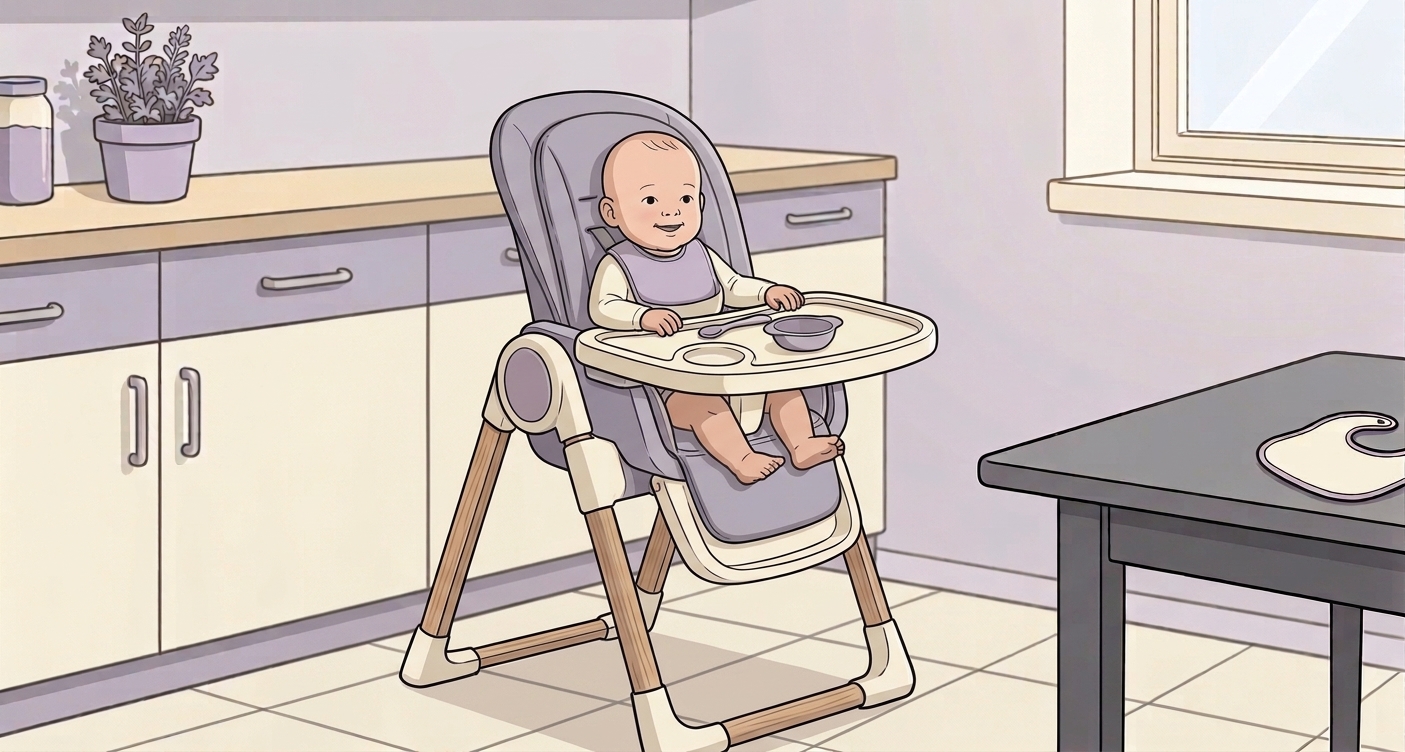
Most babies start solids around 6 months, and some families are done with a high chair entirely by age 2-3, while others use a convertible model well into the toddler years as a regular kitchen seat. Before comparing chairs, think about your kitchen layout, whether you’ll want it pulled up to a normal table one day, and how much storage space you actually have for something that isn’t folding away.
Traditional Plastic High Chairs
These are the standard freestanding high chair - a tray, a seat, and adjustable height or recline, usually with a removable tray that goes straight into the dishwasher. They’re the most budget-friendly option and the easiest to wipe down after a messy meal. The tradeoff is that most don’t convert into anything else, so you’ll eventually need a different seat once your toddler outgrows it.
Space-Saving and Hook-On High Chairs
Hook-on chairs clamp directly to your table and fold flat for storage or travel, while compact clip-on booster styles skip the legs entirely. These are popular for small kitchens, grandparents’ houses, or restaurants. The tradeoff is that they need a sturdy table to attach to, and they generally aren’t rated for babies who can’t sit up well on their own yet.
Booster Seats
A booster straps onto an existing dining chair, bringing your child up to table height without taking up separate floor space. They’re a common second seat once a baby has outgrown the recline needs of a full high chair, and many fold flat for travel. The tradeoff is less back and head support for younger babies, so most are recommended starting closer to 12 months.
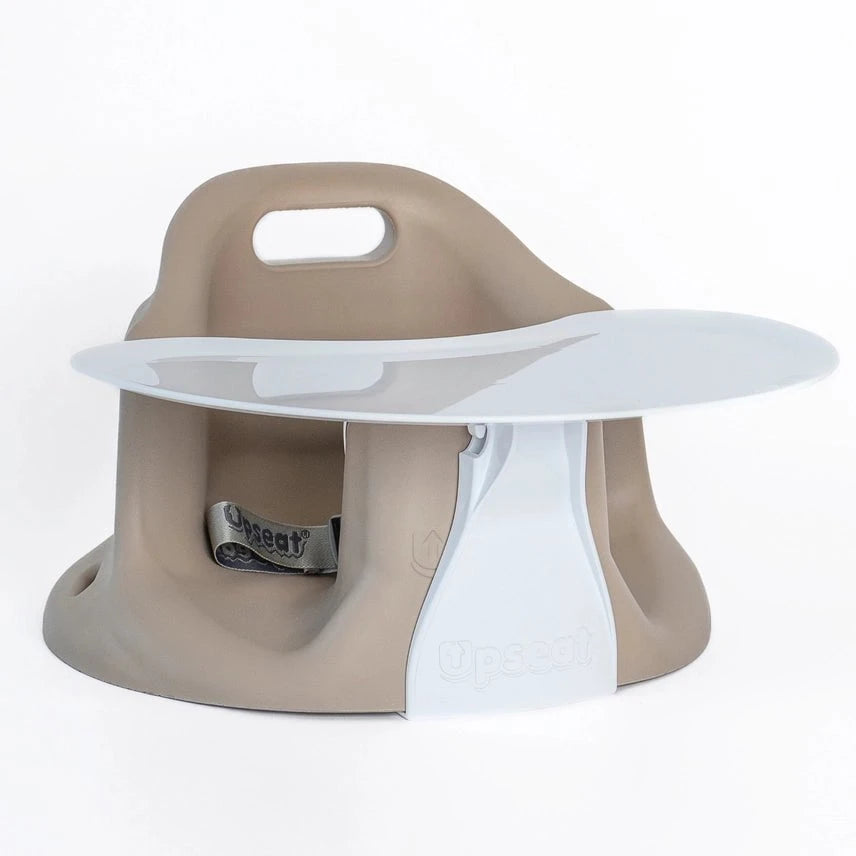
Multi-Stage High Chairs
These are designed to go from a reclined infant seat, to a high chair with tray, to a freestanding booster, to a big-kid chair - one purchase covering several years. They’re a good fit if you want to minimize the number of seats you buy over time. The tradeoff is bulk and price; you’re paying for stages you won’t use for a while. They tend to look nicer in a kitchen and hold their resale value better than plastic.

Tripp Trapp Chair from Stokke (Natural) + Tripp Trapp Newborn Set (Grey) - Cozy, Safe & Simple to Use - For Newborns Up to 20 lbs
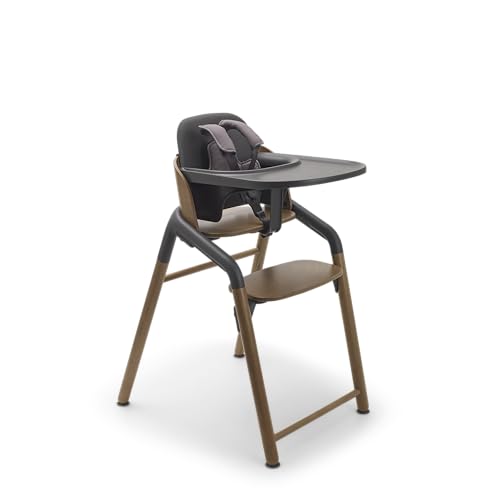
Bugaboo Giraffe Wooden Baby High Chair, Adjustable in 1 Second, Easy to Clean, Safe and Ergonomic Highchair, Suitable from Birth in Combination with Newborn Set (Sold Separately), Warm Wood/Grey
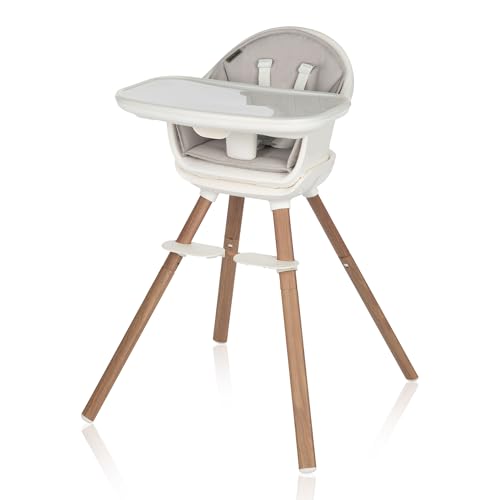
Maxi-Cosi Moa 8-in-1 High Chair, removable kitchen booster, converts to stool, table and chair, easy to clean, Horizon Sand
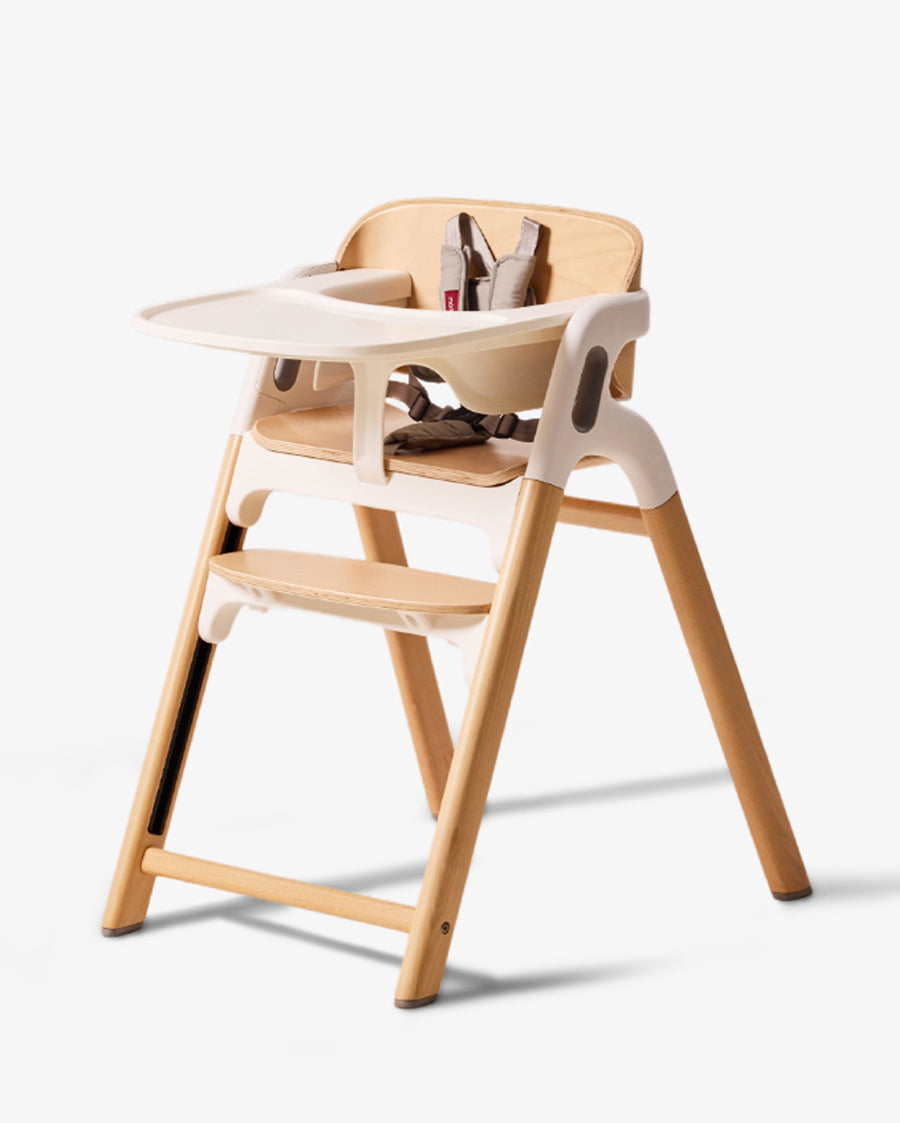
The specs that actually matter
Tray: a one-hand release tray makes lifting a messy toddler out far easier, and a removable liner or dishwasher-safe tray saves real time at cleanup.
Recline: matters most for the earliest feeding stage, when babies still need head and neck support while eating purees.
Height adjustability: look for a range that lets the chair sit level with your dining table, not just a fixed low position.
Seat pad: a wipeable, crevice-free seat pad is much easier to keep clean than one with lots of seams and buckle covers.
Footrest: an adjustable footrest gives older toddlers something to push against, which helps with sitting posture during longer meals.
Our top picks
Highly rated options from the Tinybean catalogue you can add to your registry.
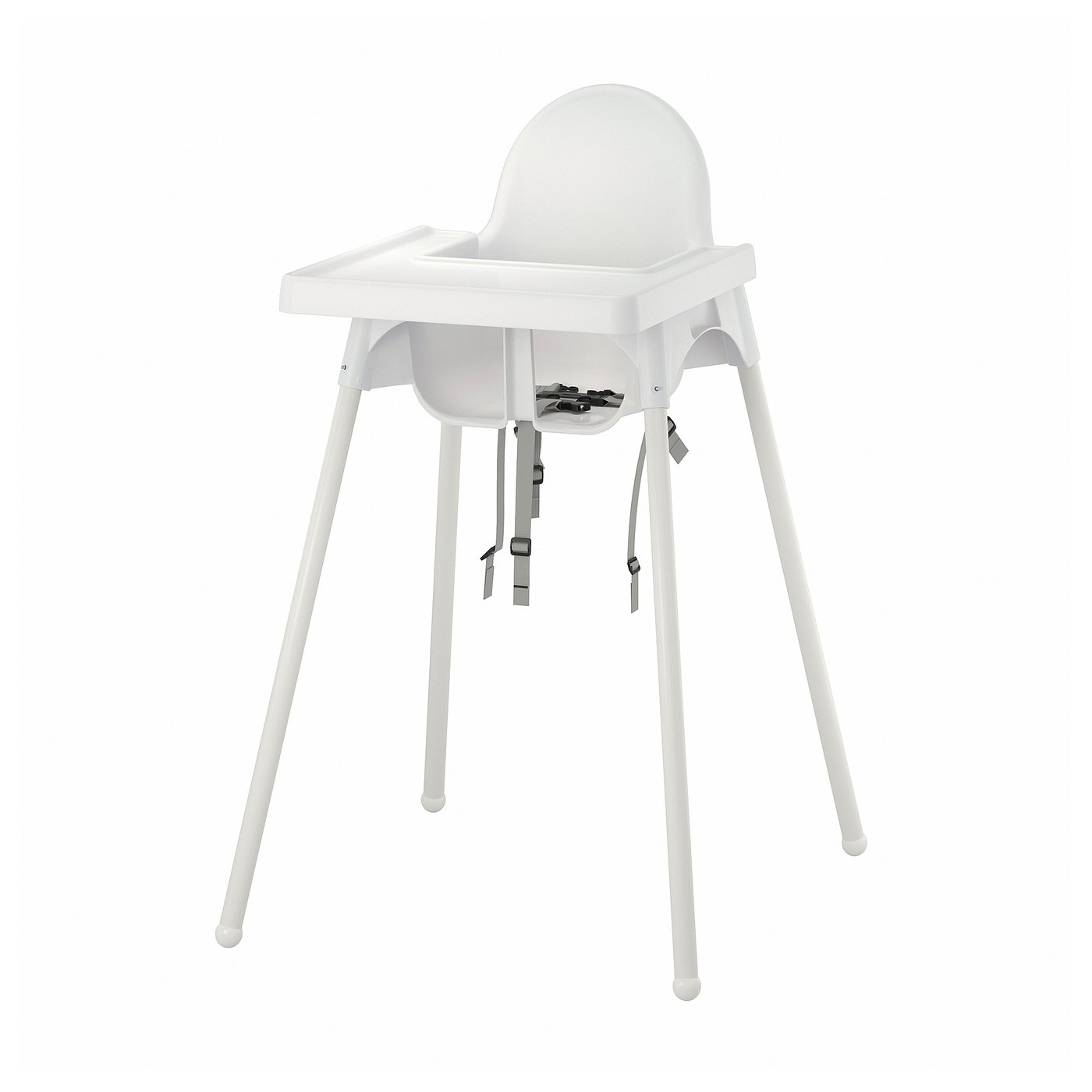
ANTILOP high chair with tray, white/white - IKEA CA
 Canadian owned/made
Perch Hook on Chair
Bugaboo Giraffe Wooden Baby High Chair, Adjustable in 1 Second, Easy to Clean, Safe and Ergonomic Highchair, Suitable from Birth in Combination with Newborn Set (Sold Separately), Warm Wood/Grey